
Blog
Boutique Hotel Standards vs Regular Hotel Design – Helpful Guide

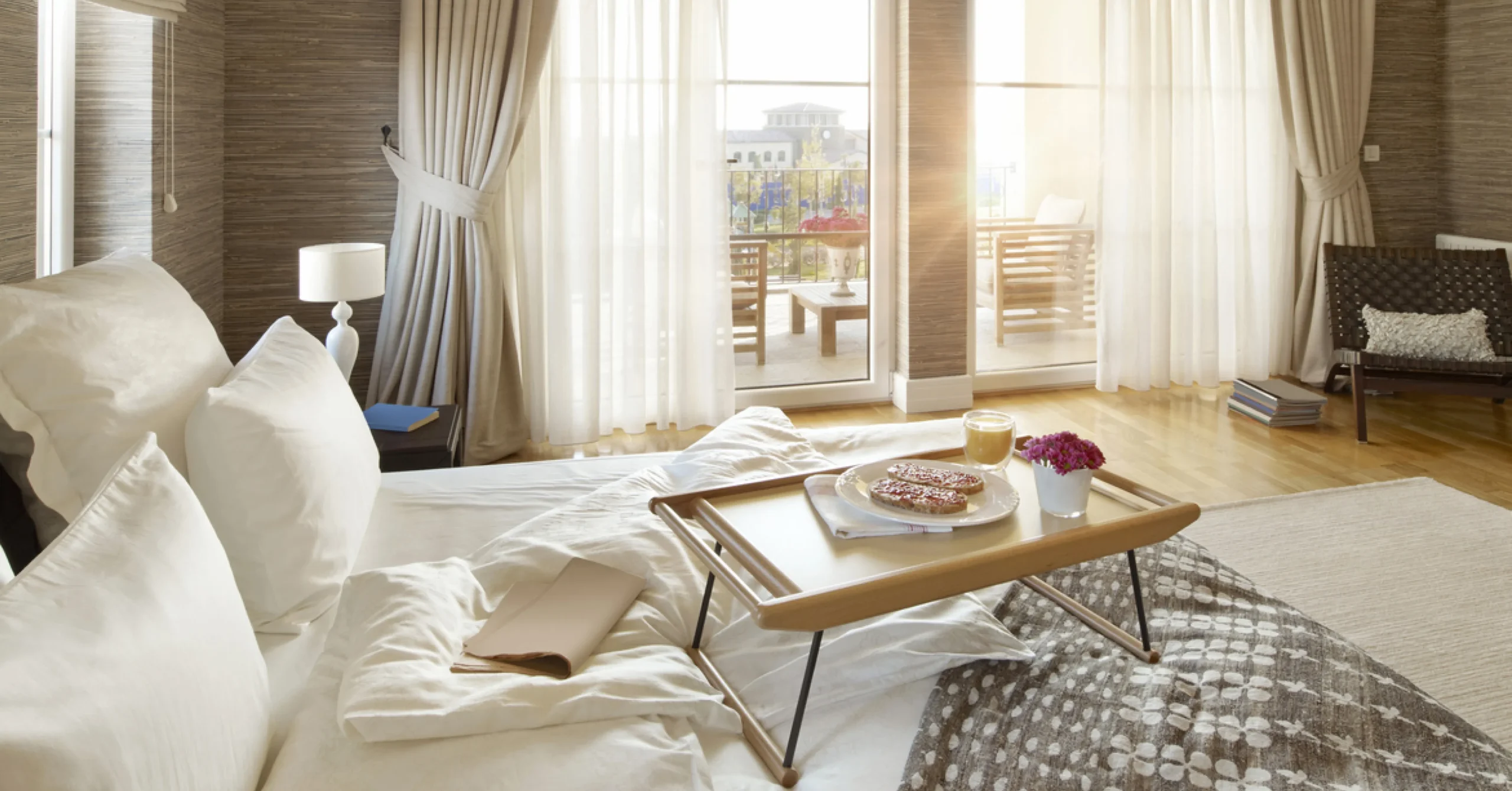
If you are someone who owns or operates a hotel, you are already aware that guests have become significantly more observant in comparison to the past. When it comes to boutique hotel standards vs regular hotel design, they pay close attention to detail. They remember how a room made them feel. More crucially, they discuss it online. Many in the hotel industry, be it an owner or an operator, are now discussing more than just restorations and upgrades. It’s about direction. Should your property adhere to established regular hotel design standards, or should it shift toward boutique hotel furniture design standards that are more intentional, distinctive, and emotionally engaging?
This tutorial does not cover trends or design theory. It’s about assisting hotel owners in making more informed, long-term decisions about hotel furniture design, decisions that affect guest perception, booking behavior, and property value. Understanding how boutique standards differ from regular hotel design is crucial when designing a new build, phased renovation, or repositioning an existing asset.
The Foundational Difference Between Boutique Hotel Standards vs Regular Hotel Design
At first glance, the distinction between boutique and standard hotels may appear to be size or location. In truth, the essential differentiation rests in how the area is intended to be used, which is central to boutique hotel standards vs regular hotel design.
Regular hotel design guidelines are based on predictability. The furniture layout, finishes, and room flow are all designed to ensure brand consistency, operational efficiency, and easy duplication across numerous sites. This method reduces risk and streamlines management, which makes it ideal for large portfolios.
Boutique hotel furniture design standards follow a different philosophy. They’re not trying to meet expectations; they’re attempting to shape them. The design is intentional, frequently story-driven, and intended to evoke a sense of discovery. Furniture is chosen not only to fill a room, but also to convey individuality, comfort, and value from the moment a guest steps in.
This philosophical difference has a direct impact on how guests emotionally react to your property and whether they remember it after leaving.
How Design Intent Influences Guest Perception
When customers go into a boutique hotel room, the space feels curated rather than manufactured. The furniture proportions seem purposeful. Materials are tactile rather than generic. This is not an accident. Boutique hotel furniture standards are intended to convey a sense of authenticity and intimacy, even in metropolitan or high-traffic areas.
In contrast, regular hotel design standards emphasize homogeneity. While this provides consistency, it frequently reduces emotional engagement. Guests feel at ease, but are rarely amazed.
For hotel owners, this distinction is important since emotional involvement is what promotes repeat visits and positive evaluations.
Furniture as a Strategic Business Asset
Furniture is one of the most significant capital investments in any hotel project, but it is frequently handled as a line item rather than a strategic tool. This is where boutique properties differentiate themselves.
In boutique settings, boutique hotel branding furniture becomes an extension of the brand itself. Seating, casegoods, and soft furnishings are chosen to complement the hotel’s personality, whether it is modern, heritage-inspired, or regionally rooted.
Regular hotels often use pre-approved furniture packages. While utilitarian, these packages are designed to be safe rather than remarkable. Boutique hotels use custom furniture for boutique hotels to influence not only aesthetics but also guest behavior, how long they remain in a location, where they sit, and how comfortable they feel.
Why Custom Furniture Changes the Guest Experience
Custom furniture allows hotel owners to create designs based on their specific guest profile rather than a generic brand template. Room size, trip intent, and length of stay all have an impact on how furniture should operate and feel.
This level of alignment is prioritized in the design of boutique hotel furniture design standards. A well-designed lounge chair or workspace can quietly improve in-room comfort, reduce guest complaints, and boost perceived room value, all without increasing square footage.
Where the Design Investment Really Goes
Boutique Hotel Design
- 40% Furniture & Material Identity
- 25% Guest Experience & Comfort Psychology
- 20% Brand Storytelling
- 15% Operational Durability
Regular Hotel Design
- 45% Operational Durability
- 30% Brand Compliance
- 15% Cost Efficiency
- 10% Guest Experience Differentiation
Durability Without Compromising Design
One recurrent issue among hotel owners is whether boutique design compromises durability. In practice, the reverse is true when standards are followed correctly, particularly in the context of boutique hotel standards vs regular hotel design.
Boutique hotel furniture standards still call for commercial-grade construction, fire safety compliance, and high-traffic performance. The distinction is in execution. Instead of hefty, visually generic pieces, boutique hospitality furniture combines reinforced structures, sophisticated finishes, and performance textiles.
Regular hotel design rules focus on durability first and beauty second. Boutique standards aim for balance, assuring longevity without detracting from the space’s uniqueness.
The Cost of Playing It Too Safe
Even if the furniture functions well physically, guests may perceive it as aging faster. Boutique-focused hotel furniture design is frequently visually relevant for longer periods of time since it is based on identity rather than short-term fads.
Long-term ROI and Property Positioning.
From an ownership standpoint, the most essential question is not “Which design costs more?” but rather “Which design performs better over time?”
Boutique hotel furniture design standards frequently lead to:
- Increased perceived room value.
- Stronger internet reviews that address atmosphere and comfort
- Reduced the requirement for regular visual refreshes.
- Increased pricing flexibility at high demand.
Regular hotel design guidelines promote consistency, but they can limit differentiation. In competitive markets, such limitations can have a direct influence on occupancy and rate growth.
Final Perspective for Hotel Owners
Choosing between boutique hotel furniture design standards and regular hotel design standards is ultimately a strategic positioning decision, especially when evaluating boutique hotel standards vs regular hotel design. Boutique design is not about being different; it is about being deliberate. For hotel owners who want customers to remember, recommend, and return to their facility, furniture must do more than just meet utilitarian needs.
It must convey value, comfort, and identity without using words. When done effectively, boutique hotel furniture design guidelines are not a cost, but rather a long-term asset that silently works in your favor every day. Hotel owners planning renovations or new projects can contact us for bulk orders of brand compliant hotel furniture to your property’s positioning and operational standards.
