
Blog
Hospitality Flooring 101: Creating a Comforting Experience

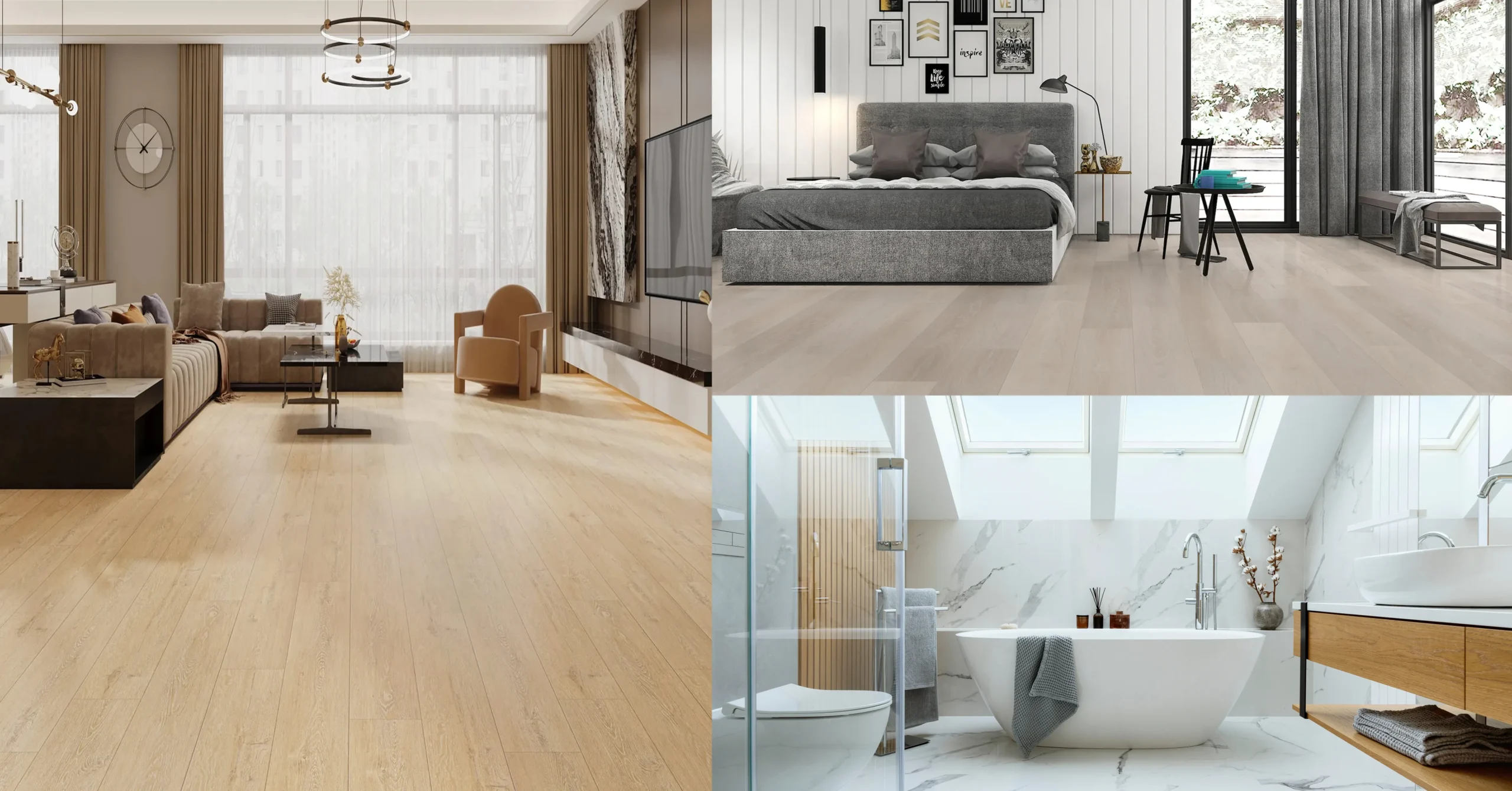
During peak season, hotel lobbies with a lot of traffic see over 500 guests go through them every hour. Each one tests the strength of your hospitality flooring and your reputation.
According to STR Global, hotel flooring problems like warped vinyl or frayed carpet edges can lower Net Promoter Scores by up to 20%.
But the perfect hospitality flooring makes that first step seem like a smooth welcome, suggesting elegance and dependability that leads to 15% more occupancy through word-of-mouth. This hospitality flooring guide gives hotel operators the basics of flooring 101 hotels: tried-and-true ways to master guest experience flooring, and provide the hotel flooring comfort that keeps guests coming back.
Why Hospitality Flooring Matters More Than You Think
Hospitality flooring isn’t just useful; it’s also a quiet ambassador for your company. Guests use it all the time, from walking across the lobby in their stocking feet to finding their way around the restaurant during a family dinner. The proper selections make an undercurrent of comfort, where gentle steps show that you’re paying attention and strong surfaces hint that they’re reliable. On the other hand, bad choices might make people feel uneasy. For example, a smooth tile might remind them of hospital hallways, while a faded carpet might suggest carelessness.
Think about the psychology behind it. When guests feel anchored on warm, textured surfaces, they think of your hotel as a safe place to stay, like home. Studies in industry reports reveal that tactile comfort is linked to better occupancy rates; this hospitality flooring method increases satisfaction levels. When hotel operators have to balance costs and high traffic, choosing hospitality flooring means making a long-term investment that meets guest expectations and turns one-night stays into loyal customers.
Quick read – 11 Most Common Hotel Flooring Mistakes To Avoid in 2026
Key Factors in Selecting Hospitality Flooring for Hotels
For any smart hotelier, durability is the most important thing. Hospitality floors have to deal with thousands of footsteps every day, spills from room service trays, and luggage being dragged along the floor. Choose materials that have been shown to last, including luxury vinyl planks (LVP), which look like hardwood but don’t need to be cared for. These choices don’t scratch or get wet, which is important in humid places or near pools, so your investment will last through heavy use for many seasons.
Comfort is just as important as style in these flooring 101 hotels. To make hotel floors comfortable, you need to find a balance between softness and stability. For example, carpet tiles in guest rooms that cushion bare feet after a shower or cushioned vinyl in hallways that mask the sound of housekeeping carts. Texture is also important; subtle patterns lead the eye without being too much, making a flow that seems natural and peaceful. When contractors tell owners what to do, they should suggest layering underlayments to make the floor feel softer and give the impression of better care.
Aesthetics bring everything together and fit with the theme of your hotel. Polished concrete with a matte sealant gives a boutique property a sophisticated edge, while bamboo’s natural warmth makes coastal resorts feel cozy. When choosing hospitality flooring, always think about how light will reflect off of it. Darker flooring absorbs noise and light, which makes lounges feel more personal. Lighter flooring, on the other hand, opens up small areas and makes them feel bigger and more welcoming.
Exploring Top Hospitality Flooring Materials
Vinyl and LVP: Versatile Workhorses for High-Traffic Areas
Luxury vinyl plank flooring is quite popular in lobbies and other public areas since it looks like wood but costs much less. Its click-lock systems make it easy for contractors to install it quickly with little downtime, which is important for motels that want to stay open. Waterproof cores can tolerate wet footsteps from outdoor pools, and embossed textures make hotel floors just as comfortable as more expensive ones. Choose planks with different grains if you want something good for your brain. They lure the eye in a gentle way, which helps with mental tiredness in busy check-in areas.
Hard Surfaces: Tile, Stone, and Beyond for Elegance
Porcelain tiles make bathrooms and spas look more elegant. The cool glaze underfoot makes you feel like you’re in a spa. Grout-sealed types keep water from getting in, which is very important in areas near showers. Natural stone like travertine adds real richness, but for winter guests, combine it with radiant heating to turn a potentially cold entryway into a warm hug. To save people from slipping, contractors generally recommend matte coatings. This keeps safety first without losing style.
Sustainable Innovations in Hospitality Flooring
Owners who care about the environment are using recycled rubber or cork underlays, which are naturally insulating and bounce back. These materials subtly improve the guest experience flooring by controlling the temperature, which keeps rooms comfortable all year round. Certifications like FloorScore make sure that VOC emissions are low, which is good for travelers who care about their health and makes your business look more environmentally friendly.
Suggested Read – How Floor Samples Can Help You Design with Confidence
Hospitality Flooring Comparison Chart
| Flooring Type | Best For | Durability (1–10) | Comfort Level | Maintenance | Cost / Sq Ft | Guest Appeal |
|---|---|---|---|---|---|---|
| Carpet (Nylon) | Guest rooms, suites | 8 (stain-resistant) | High (soft underfoot) | Vacuum daily, deep clean quarterly | $4–$8 | Cozy, noise-muffling luxury |
| Luxury Vinyl Plank (LVP) | Lobbies, corridors | 9 (waterproof, scratch-proof) | Medium-High (textured) | Sweep / mop weekly | $3–$6 | Modern, versatile hotel flooring |
| Porcelain Tile | Bathrooms, spas | 10 (slip-resistant) | Low-Medium (add rugs) | Grout seal yearly | $5–$10 | Clean, elegant sophistication |
| Natural Stone (Travertine) | Entrances, upscale areas | 9 (with sealant) | Medium (heated options) | Polish bi-annually | $8–$15 | Premium, authentic warmth |
| Cork / Rubber (Sustainable) | Eco-friendly zones | 8 (resilient bounce) | High (cushioned) | Spot clean | $5–$9 | Natural, temperature-regulating comfort |
Installation and Maintenance Best Practices
Installing hospitality flooring correctly sets it up for success. Hire contractors who are familiar with commercial requirements; sloppy seams can cause trips and quickly lose trust. Stretch the carpet tightly to keep it from rippling. Vinyl needs to get used to the room’s humidity before it can be warp-free.
It stays clean with maintenance. HEPA filters on your vacuum cleaner pick up allergens, while enzyme cleansers get rid of stains without leaving any behind. To make sure that high-traffic carpets wear evenly, change their positions every few months. These behaviors will help you live longer and show your guests that you care about keeping things clean.
Bringing It All Together: Flooring That Wins Loyalty
If you know how to do hospitality flooring, your hotel will go from a stopover to a beloved getaway. By choosing materials that are comfortable, long-lasting, and have a subtle sensory appeal, you create spaces where guests stay longer and give great reviews. Use this hospitality flooring guide to help you choose flooring for your next update that will really resonate with guests and get you more bookings and great ratings. To learn more, contact our expert team for wholesale hotel products available through our one-stop online store.
