
Blog
Direct Factory vs Distributor Model in Hotel Procurement 2026

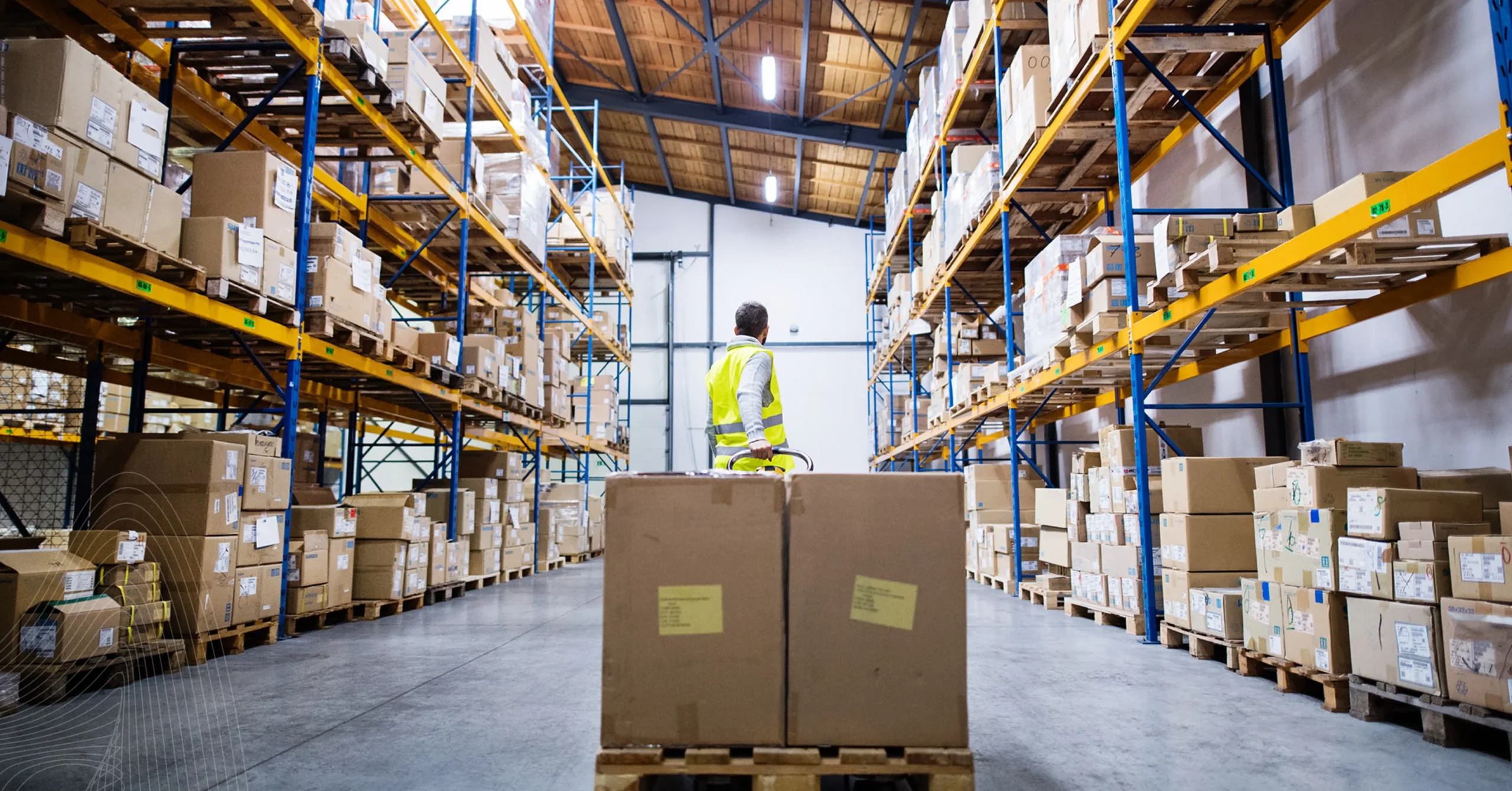
Every hotel procurement team eventually faces the same question: should you buy direct from the source or work through a distributor? The choice between a direct factory vs distributor model in hotel procurement is not simply about price. It touches lead times, quality control, order flexibility, and how much operational bandwidth your team actually has. Neither model is universally better. What matters is understanding the real trade-offs before you commit a budget or build a vendor roster around one approach.
What “Factory Direct” Actually Means in Practice
Buying hotel furniture factory direct means your purchase order goes straight to the manufacturer, with no intermediary taking margin in between. For large-scale projects, that savings can be meaningful. A 400-room property outfitting every room with new casegoods will notice the difference between a factory price and a distributor’s markup.
But the savings come with strings attached. Minimum order quantities tend to be higher when dealing directly with a manufacturer. Lead times can stretch considerably, especially when sourcing commercial hotel furniture USA buyers rely on from overseas production facilities. You are also taking on more of the coordination burden yourself, including managing freight, inspections, import documentation if applicable, and quality sign-off before anything ships.
For hotel groups with a dedicated procurement team and enough volume to justify the process, direct factory sourcing can be a smart financial decision. For operators managing smaller or mixed-scope renovations, the overhead often cancels out the price advantage.
The Case for Working With a Hospitality Furniture Distributor
A hospitality furniture distributor sits between the factory and the buyer for a reason. They consolidate supply from multiple manufacturers, carry inventory or manage production relationships on your behalf, and handle much of the logistics complexity that direct buying passes onto you.
The practical value here is speed and range. When a hotel needs to source furniture, lighting, flooring, mattresses, and bed frames for a renovation that kicks off in ten weeks, a distributor with existing vendor relationships and in-stock inventory can often move faster than a factory-direct pipeline that needs weeks just to confirm a production slot.
Distributors also absorb some of the risk. If a product arrives damaged or out of spec, a good distribution partner manages the replacement process without you having to navigate a manufacturer’s warranty process across language barriers or time zones. That support structure is worth real money on a time-sensitive renovation.
Where Hotel Procurement Solutions Get Complicated
- Most hotel procurement solutions work best with a hybrid sourcing model that combines factory-direct purchasing and distributor partnerships.
- Factory-direct sourcing is typically more effective for large-volume orders where cost savings can offset longer lead times.
- Distributors provide faster delivery, lower minimum order requirements, and greater flexibility for renovation and maintenance projects.
- Products such as shower doors, shower walls, PTAC units, and appliances are often easier to source through distributors due to inventory availability and replenishment needs.
- Procurement teams must evaluate volume, timelines, logistics, and long-term operational requirements when deciding between direct manufacturers and distributors.
Quick Read – Why Hotels Are Switching to Modern Shower Wall Panels and Surround Systems
Evaluating a Top Hotel Supplier USA for Either Model
Whether you buy factory direct or through distribution, the quality of the supplier relationship matters more than the model itself. A top hotel supplier USA should be transparent about where products are manufactured, what the actual lead times look like under current conditions, and how quality control is handled before goods leave the facility.
The questions worth asking are not complicated. Who manufactures what you are selling? Where does the product come from and how is it inspected? What happens when something arrives wrong? How do you handle partial orders or phased deliveries across a multi-building project?
The answers reveal operational reality far faster than a catalog ever will. A distributor who cannot answer sourcing questions directly is either not asking them or does not think you will. Neither is a good sign for a long-term procurement relationship.
LED mirrors are a small but telling example. It is a category where quality variance between factory sources is significant, and where a distributor who has done the vetting work saves your team time that would otherwise go into sample testing and spec confirmation across multiple factories.
Suggested Read – Sustainable Furniture Design in Hotels: How Eco-Friendly Choices Boost Brand Value
Making the Right Call for Your Property
The direct factory vs distributor model in hotel procurement comes down to what your team can realistically manage and what your timeline actually allows. Volume justifies direct buying. Complexity and speed favor distribution. Most renovation projects sit somewhere in the middle, which is exactly why the best hotel operators do not pick one model and stick to it rigidly.
Build relationships on both sides. Know which categories your distributor handles better than you could direct. Know which product lines are worth the factory-direct process when volume is there. That flexibility is what separates reactive purchasing from procurement that actually supports the broader business.
United Hotel Supply USA works with hotel operators across both models, whether you need a full direct factory program for a large-scale FF&E rollout or a reliable hospitality furniture distributor relationship for faster, more flexible sourcing. As a recognized top hotel supplier USA teams count on for consistent quality and straightforward communication, we help you figure out which approach makes sense for your project scope, your timeline, and your team’s capacity, before the first purchase order goes out.
