
Blog
The Future of Hotel Renovation in the USA Hospitality Market

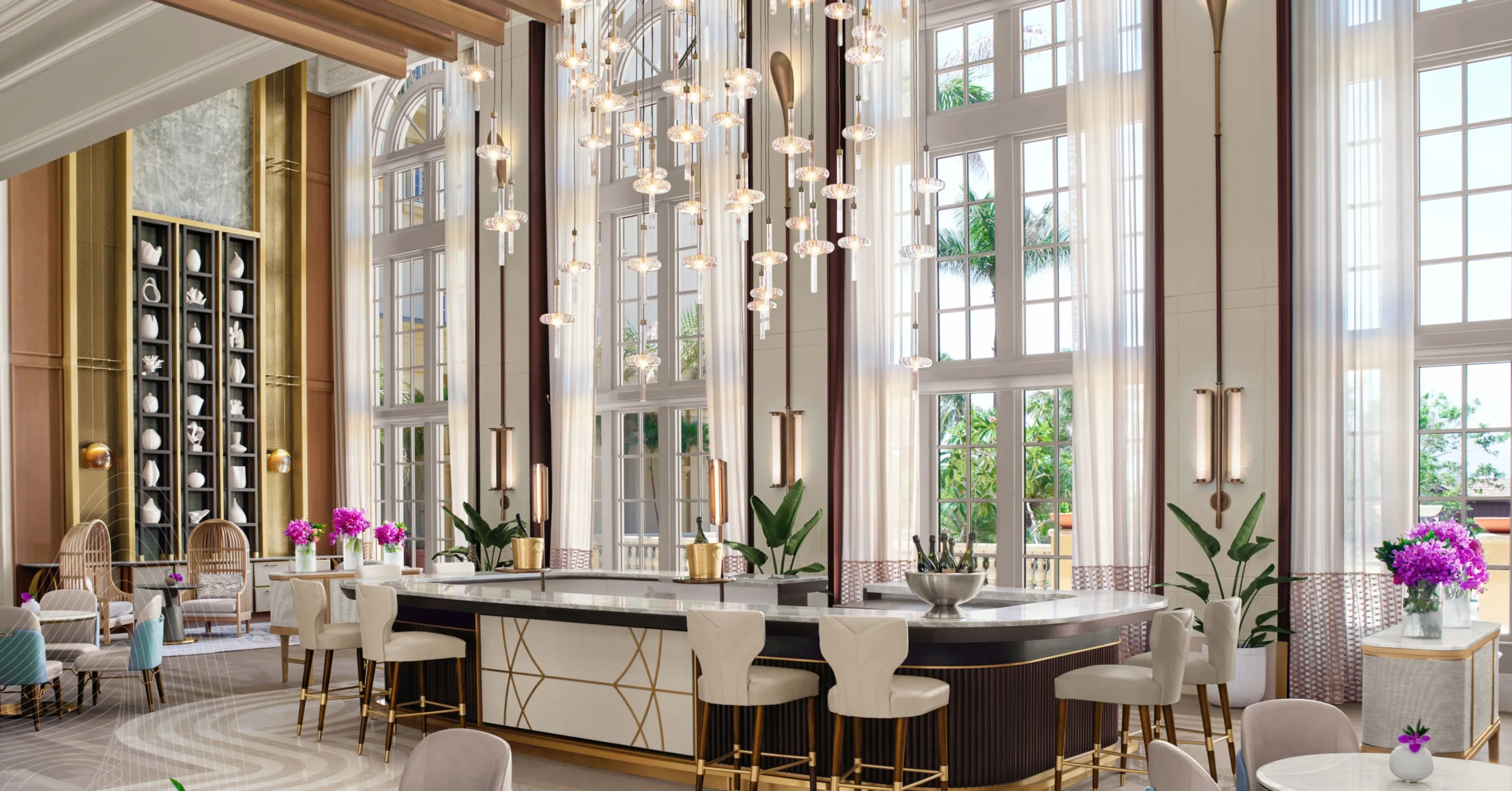
The American hospitality landscape is shifting faster than most property owners expected. Guest expectations that looked generous five years ago now read as the bare minimum. Franchise brands are issuing updated Property Improvement Plans on tighter cycles. And with travel demand holding strong across both leisure and corporate segments, standing pat on an aging property is no longer a risk-tolerant strategy it is a liability.
Hotel renovation in the USA is not simply about keeping up appearances. It is about protecting asset value, securing brand agreements, reducing operating costs, and winning the loyalty of guests who have more booking options than at any point in history. The owners and operators who understand where this market is heading will be positioned to profit. Those who delay will feel it in their review scores, their occupancy rates, and their next PIP inspection.
This guide breaks down the top hotel renovation trends shaping the USA market, covers what sustainable and modern hospitality spaces actually look like in practice, and explains what any owner needs to know before placing a single order for FF&E.
Why 2026 Is a Pivotal Year for Hotel Renovation in the USA
Several forces have converged to make this a high-stakes renovation window for property owners across the country.
Brand refresh cycles are accelerating. Major flags including Hilton, Marriott, IHG, Wyndham, Choice Hotels, and Hyatt have all issued updated design standards in recent years. Properties that passed their last PIP inspection with flying colors may now be out of spec on furniture finishes, lighting fixtures, bathroom layouts, or flooring materials. The gap between “recently renovated” and “brand-compliant today” is narrowing faster than expected.
Deferred renovation debt is coming due. Many properties paused capital improvements during the pandemic years. That deferred spend is now unavoidable. Franchise agreements have timelines. Lenders have covenants. And competing properties in the same markets have continued updating. The owners who kept pushing renovation decisions back are now walking into inspections with the oldest physical plants in their comp set.
Guest reviews have real financial consequences. Today’s travelers post reviews within hours of checkout. A negative comment about worn furniture, dated bathroom fixtures, or poor lighting can suppress booking conversion for months. Modern hospitality guests are comparing your property photos to what they see at a competitor down the street. The physical product has to match the digital promise.
Labor and material costs are stabilizing. After two years of supply chain volatility, many FF&E categories have normalized. Hotel owners who source smartly working with established wholesale suppliers with in-stock inventory can lock in competitive pricing without the long lead times that plagued 2022 and 2023 projects.
Top Hotel Renovation Trends in the USA Right Now
1. Clean Lines and Warm Neutrals Replace Busy Patterns
The decorative maximalism that defined mid-range hotel rooms through the 2010s is giving way to something calmer and more residential. Guests want rooms that feel like a good apartment, not a branded display case. Clean furniture silhouettes, muted wood tones, layered neutrals, and thoughtful accent lighting are replacing busy geometric carpets and dark laminate case goods.
This shift matters for procurement because it affects furniture selection across every category from the desk chair to the headboard to the occasional table near the window. The look needs to feel cohesive rather than assembled from a catalog. Every piece has to carry the same design language.
For practical guidance, explore the full brand-compliant furniture and lighting collection to see what current franchise-approved options look like across Hilton, Marriott, IHG, and Choice Hotels profiles.
2. Bathroom Renovations Are Becoming the Primary ROI Driver
Guest satisfaction surveys consistently show that bathroom quality carries outsized weight in overall stay ratings. A tired bathroom with cracked grout, foggy mirrors, outdated fixtures, low-quality shower enclosures drags down a property’s score even when the sleeping area has been refreshed.
Smart renovation teams are treating the bathroom as the anchor of their project, not an afterthought. LED mirrors have become a high-impact addition that guests notice immediately. The combination of clear lighting, anti-fog performance, and modern frame profiles elevates the bathroom perception significantly for the price point involved.
Shower doors and panel systems are another area where a relatively modest investment creates a disproportionate visual improvement. Moving from a curtain-and-rod setup to a framed or frameless glass enclosure changes the entire character of a bathroom. Hotel operators who have completed this swap consistently report positive guest feedback.
Shower walls that use acrylic or composite panel systems instead of tile also deliver long-term maintenance benefits. They are faster to install, easier to clean, and more resistant to grout deterioration over high-occupancy use cycles.
3. Luxury Vinyl Plank Flooring Has Replaced Carpet as the Standard
The transition from broadloom carpet to luxury vinyl plank has been one of the most significant shifts in hospitality renovation across the past decade. Properties that have made the switch report lower long-term cleaning costs, faster room turns between guests, and consistently better guest reviews on cleanliness.
Today’s hospitality-grade LVP is designed for commercial environments. Products like the District Collection Glue-Down LVP Flooring offer eleven color options and a wear layer rated for high-traffic use at a price that makes large-scale room conversions financially practical. The District Pro Glue-Down LVP steps up to a 12-mil wear layer for properties that prioritize longevity in high-occupancy corridors and rooms.
For properties that want additional wear layer protection, the Raleigh 2.5mm 20-mil LVT Flooring is a strong choice available in four neutral colorways that work with virtually any furniture palette. Browse the full flooring collection for the complete range.
4. Smart Room Features and Connected Appliances Are Moving Downmarket
What started as a luxury segment feature has now become a standard expectation in select-service and extended-stay properties. In-room USB charging ports, energy-efficient PTAC units with digital controls, and compact appliance packages designed for studio-style rooms are all part of what guests now expect.
PTAC and HVAC units represent one of the most impactful energy investments a hotel can make during a renovation cycle. Replacing aging units with modern, energy-efficient models reduces monthly utility costs, improves guest comfort, and eliminates the noise complaints that older equipment generates. The long-term ROI on PTAC replacement often outpaces that of cosmetic upgrades.
Appliances designed specifically for the hospitality environment, such as refrigerators, microwaves, and coffee stations, also make a meaningful difference in extended-stay and all-suite properties where in-room functionality directly affects booking decisions.
5. Bed and Sleep Quality Are Core to Retention
Guests talk about beds. The mattress, the frame, the pillow arrangement these are the things that get mentioned in positive reviews and produce return visits. Extended-stay guests in particular are willing to pay a meaningful premium for a property where the sleep product is clearly better.
Commercial-grade mattresses designed for high-occupancy rotation are built differently from residential products. They hold their profile longer under nightly use, maintain edge support, and are often designed to meet specific brand specifications for properties operating under franchise flags.
Metal bed frames built for commercial use solve a chronic hospitality problem: frames that squeak, shift, or break under turnover stress. The right commercial frame holds position, reduces noise complaints, and lasts through multiple mattress cycles.
Sustainable Hotel Renovation: What It Actually Means in Practice
Sustainability has moved from a marketing angle to an operational and guest expectation in the hospitality industry. But “sustainable renovation” is a phrase that means different things in different contexts. Here is what it looks like in practice for property owners.
Material selection matters more than branding. Flooring products with low-VOC adhesives, furniture made from sustainably sourced materials, and LED lighting fixtures that dramatically reduce energy consumption are all tangible sustainability wins that do not require premium pricing. The LVP flooring options in modern hospitality supply catalogs have improved significantly on this dimension.
Energy systems deliver measurable ROI. PTAC unit replacement with modern, high-efficiency models reduces energy spend in measurable dollar terms. LED lighting both ambient and bathroom-specific cuts electricity consumption while improving guest perception of room quality. These are not soft sustainability claims; they show up on monthly utility bills.
Durability is the most sustainable choice. Commercial-grade products that last through seven or eight renovation cycles before replacement generate far less waste than lower-cost products replaced every two to three years. Buying right the first time is both a financial and environmental decision.
Water efficiency in bathroom fixtures. Modern shower systems, when specified correctly, reduce water consumption without degrading the guest experience. This is particularly relevant for properties in water-constrained markets.
Hotel Modernization Solutions: A Practical Framework for Property Owners
Understanding the trends is one thing. Knowing how to sequence and scope an actual renovation is another. Here is a practical framework for property owners evaluating their options.
Start with the PIP, not the trend list. Your franchise flag has specific requirements with specific timelines. Before making any procurement decisions, get a current copy of your PIP requirements and map your property against them room by room. This tells you what is mandatory versus what is elective, which directly affects your budget allocation.
Prioritize high-visibility, high-impact categories first. If the budget is constrained, focus on bathroom renovations, flooring replacement, and lighting updates before furniture replacement. These categories drive the strongest guest perception improvement per dollar spent.
Think in full-room packages, not individual pieces. A headboard replacement that does not match the desk finish and the side table creates visual inconsistency that guests notice. Brand-compliant FF&E packages are designed to work together. Buying them from a single source also simplifies logistics significantly.
Plan your delivery timeline against your occupancy calendar. Hotel renovations done room by room can proceed while the property remains open. What kills timelines is product that arrives late, wrong, or incomplete. Working with a supplier that has in-stock inventory and confirmed lead times is not a nice-to-have; it is the difference between a renovation that finishes on schedule and one that forces extended room closures.
Navigating Brand Compliance in Hotel Renovation
One of the most common and costly mistakes in hotel renovation is purchasing FF&E that turns out to be non-compliant with franchise standards. This creates rework, write-offs, and in some cases a failed inspection that delays brand renewal.
Each major flag—Hilton, Marriott, IHG, Hyatt, Wyndham, and Choice Hotels—maintains detailed specifications for approved finishes, dimensions, materials, and configurations. Hampton Inn has different furniture profiles than Hampton Kinetic. Fairfield Inn specifications differ from Courtyard by Marriott. The nuances matter, and they are enforced during PIP inspections.
Working with a supplier that has deep familiarity with these standards across multiple flags reduces this risk substantially. It also reduces the back-and-forth approval cycle that adds weeks to renovation timelines when procurement and brand review are not aligned from the start.
What the Hospitality Furniture Market Looks Like in 2026
The hospitality furniture market in the United States has consolidated around a set of clear trends that are worth understanding before any major procurement decision.
Case goods are shifting toward mixed-material construction. Solid laminates are giving way to furniture that combines engineered wood bases with metal accents, upholstered panels, and warm-toned wood grain finishes. The goal is a piece that photographs well, feels premium to the touch, and holds up to commercial use over a five-to-seven year cycle.
Seating flexibility matters more than it did. Business travelers want a proper work chair. Leisure guests want comfortable lounge seating. The same room has to serve both. Furniture that transitions between work and rest contexts a desk chair with ergonomic support, an ottoman that doubles as occasional seating is where the market has settled.
Upholstery durability is non-negotiable. Commercial upholstery fabrics are rated by double-rub counts that residential products do not approach. Any upholstered piece going into a hotel room needs to be specified for commercial use. The cost difference is real but the performance difference over the life of the piece is even more significant.
Casepiece storage is being redesigned for modern guest habits. Today’s travelers carry more technology and fewer clothes than previous generations. Storage design is shifting accordingly fewer drawers, more open surfaces, dedicated charging zones, and accessible luggage racks that do not require bending or awkward placement.
Planning Your Hotel Renovation: Key Questions to Answer Before You Start
Before committing to a renovation scope or placing any FF&E orders, every property owner should work through these questions with their project team.
What is the current PIP status and timeline? What categories are flagged for immediate action versus deferred? What is the target renovation budget, and how is it allocated across hard costs versus FF&E versus soft goods? What is the occupancy plan during renovation full closure, partial, or rolling room-by-room? Who is managing brand compliance review, and is the supplier already familiar with your flag’s current standards? What is the delivery sequence, and how does it align with your renovation contractor’s schedule?
Getting clear answers to these questions before any procurement happens is what separates projects that come in on time and on budget from those that extend into expensive overruns.
How United Hotel Supply Supports Hotel Renovation Projects Across the USA
When it comes to FF&E sourcing for hotel renovation projects, United Hotel Supply has built its reputation on three things: product selection that covers every major renovation category, deep familiarity with brand-compliance requirements across all major flags, and in-stock inventory that ships fast to keep projects on schedule.
The product range covers furniture and brand-compliant lighting, commercial flooring, LED mirrors, metal bed frames, mattresses, PTAC units, appliances, shower doors, and shower wall panels everything a property needs from a single source.
The brand coverage spans Hilton properties including Hampton Kinetic, Hampton Casual, Home 2 Suites, and Homewood Suites. Marriott properties including Fairfield Inn, Courtyard, Residence Inn, and SpringHill Suites. IHG properties including Holiday Inn, Holiday Inn Express, and Staybridge Suites. Choice Hotels properties across the full portfolio from Comfort Inn to Cambria Suites. Wyndham properties including La Quinta and Days Inn. And Hyatt properties including Hyatt Place and Hyatt House.
Every project is assigned a dedicated project manager who handles product specs, logistics coordination, and brand compliance documentation from start to finish. The 500-plus hotels that have worked with the company consistently note the same thing: single-source procurement with expert project support removes the vendor chaos that derails most renovation timelines.
For any hotel owner or operator ready to start planning, the process begins simply request a bulk quote and receive a response within 24 business hours with real pricing, confirmed specs, and a renovation plan scoped to your property’s needs and your flag’s current requirements.
The future of hotel renovation in the USA is moving in a clear direction: cleaner design, better bathroom experiences, more durable materials, smarter energy systems, and tighter brand alignment. Properties that renovate with these principles in mind will outperform their competitive sets on guest scores, occupancy, and asset value. Those that approach renovation as a checkbox exercise will find themselves back at the same table sooner than expected.
The market rewards owners who make good procurement decisions the first time. That means sourcing products that are genuinely brand-compliant, built for commercial use, and backed by a supplier who understands the hospitality environment. In the competitive USA hotel market, the quality of your renovation partner matters as much as the quality of your renovation budget.
Ready to move your renovation forward? Explore the full product range at unitedhotelsupply.com or contact the team directly at 352-644-9600 for personalized project support.
