
Blog
How to Pass a Marriott PIP Inspection Without Overspending on FF&E

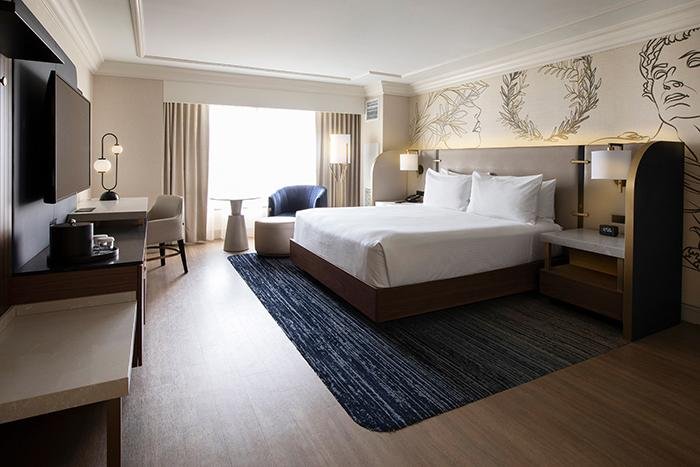
A Marriott PIP (Property Improvement Plan) letter sitting on your desk feels like a countdown clock. Owners who have been through the process once will tell you the same thing: the inspection itself is not the hard part. The real challenge is figuring out what truly needs to change, what can stay, and how to source everything at a price that does not wreck your NOI before the deadline hits.
This guide walks through the practical strategy experienced operators use to get through a Marriott PIP with their renovation budget intact.
What a Marriott PIP Actually Evaluates
Before spending a dollar, understand what the inspector is looking at. A Marriott PIP is a formal audit tied to your franchise agreement, triggered by a sale, a renewal cycle, or a routine quality assurance visit that flags deficiencies.
The Marriott property improvement plan checklist covers guestroom furniture condition and style compliance, lighting fixtures, flooring material and wear, bathroom fixtures, HVAC units, bedding systems, and common area presentation. Each brand under the Marriott umbrella, whether you operate a Courtyard, Fairfield Inn, Residence Inn, SpringHill Suites, or TownePlace Suites, carries its own specific version of those requirements.
The most common Marriott PIP failures come from three categories: worn casegoods and seating that no longer reflect current Marriott brand standards for guestroom furniture, flooring that shows visual aging even if structurally sound, and mismatched lighting that breaks the current design prototype. If you want to understand why brand-compliant furniture matters so much for flagged hotels, that distinction between what looks dated versus what is actually failing structurally comes up constantly in PIP conversations.
Build the Scope Before You Build the Budget
The single biggest overspending mistake in a Marriott PIP renovation is building a budget before building a proper scope. Owners who skip this step often replace items that would have passed and miss items that would have failed.
Pull your brand’s current design prototype documents. Walk every room category with your PIP report side by side. Create three columns: must replace to pass, should replace for longevity, and acceptable as-is. That third column is where your savings live.
Marriott brand standards for guestroom furniture are specific about finish, configuration, and often commercial-grade construction. But they do not always require a full gut renovation. If your casegoods still match the approved prototype and show acceptable wear, document them with photos before your inspection. Inspectors work from evidence, and well-documented condition reports help your case. The broader question of what to replace versus what to keep during a hotel renovation is one worth reading before you start walking rooms with a clipboard.
Where FF&E Costs Actually Escalate
Hotel FF&E procurement for Marriott properties gets expensive in predictable places. Knowing them in advance lets you plan around them.
Casegoods and seating tend to carry the highest per-room cost. A full guestroom casegood package including the dresser, desk unit, nightstands, and upholstered seating can range considerably depending on the brand tier. For budget-conscious Marriott PIP compliance, the key is sourcing hospitality furniture built to Marriott specifications without paying a retail hospitality markup. Working with a direct wholesale hotel furniture supplier cuts out the layers between manufacturer and property. For anyone newer to the category, this complete guide to hospitality furniture explains how construction standards differ from residential and why that matters for franchise compliance.
Flooring is a high-visibility line item that inspectors notice immediately. Luxury vinyl tile and plank products that meet commercial wear-layer specifications are far more cost-effective today than they were even three years ago, without sacrificing the look inspectors expect. Understanding the benefits of luxury vinyl plank flooring for commercial hotel use helps you make the case internally when ownership pushes back on switching from carpet. And if you are weighing design patterns during that flooring decision, the comparison of chevron versus herringbone SPC flooring for hotels is a practical read before you commit to a layout.
Lighting is often underestimated. Replacing mismatched or outdated fixtures across 80 or 120 rooms adds up quickly if you are not buying at volume. Sourcing lighting alongside your furniture package from a single supplier usually yields meaningful price breaks compared to buying categories separately.
Bathrooms are another area that catches operators off guard. Shower surrounds and wall panels that show cracking, staining, or outdated finishes are flagged consistently during Marriott inspections. The hotel shower wall buying guide covering acrylic, SMC, and cultured marble walks through which material makes the most sense at each budget level, and why more properties are now switching to modern shower wall panels over traditional tile.
Mattresses and bed frames round out the guestroom. These are non-negotiable line items in any Marriott PIP checklist, and going commercial-grade from the start protects you from a repeat replacement cycle in three years.
Strategies to Reduce FF&E Costs During a Marriott Renovation
Consolidate your procurement. Every additional vendor adds coordination time, freight costs, and the risk of mismatched specs. A single hospitality FF&E supplier experienced with Marriott brand standards simplifies approvals and protects your timeline.
Phase the work intelligently. If your PIP allows a phased schedule, sequence rooms by inspection priority. Complete the room categories inspectors will walk first, typically standard kings and doubles, before investing in suite refreshes that may carry more timeline flexibility.
Order volume. A 100-room hotel renovation is significantly more negotiable than a 20-room order. Volume pricing on hotel casegoods, bedding, and flooring at Marriott properties can reduce your per-room cost materially when you commit to a full project scope rather than piecemeal orders. It also helps to understand how floor samples support confident design decisions before you lock in a material across the entire property.
Avoid the custom trap. Custom furniture feels like a quality statement, but it adds lead time and cost that rarely earns back its investment at the select-service level. Brand-compliant standard casegood lines made specifically for Marriott properties deliver the visual result inspectors want without the premium.
Do not delay the procurement conversation. Lead times for commercial-grade hospitality furniture and hotel flooring can stretch 8 to 14 weeks during peak renovation season. Owners who start sourcing late often pay rush premiums or miss their PIP deadline, both of which cost far more than early planning would have.
What a Realistic Marriott PIP Renovation Budget Looks Like
How much does a Marriott PIP renovation cost? The honest answer is that it depends heavily on your brand tier, the age of your property, how comprehensive your existing FF&E condition is, and whether you are doing a soft goods refresh or full furniture replacement.
Select-service properties in the Courtyard or Fairfield Inn family typically see per-room renovation costs range from $8,000 to $18,000 for a full soft goods and FF&E replacement depending on regional labor rates and scope. Extended-stay brands like TownePlace or Residence Inn often sit toward the higher end of that range given the larger footprint and more complex furniture requirements.
The lever you control most directly is the FF&E procurement strategy. A well-sourced hotel renovation for a Marriott property can come in 20 to 30 percent below what an operator pays when buying retail or through an interior design firm’s procurement markups. The broader hospitality flooring guide is worth bookmarking as a reference when you are building your room-by-room cost model, since flooring alone represents a significant share of per-room spend.
The Procurement Partner Piece
Passing a Marriott PIP on budget is partly about knowing the brand standards and partly about knowing who supplies them efficiently. United Hotel Supply USA works with Marriott-brand properties across the country, supplying brand-compliant hotel furniture, commercial flooring, LED mirrors, bed frames, mattresses, PTAC units, appliances, and shower doors at wholesale pricing with nationwide delivery. Whether your property is a Courtyard, Fairfield Inn, Residence Inn, SpringHill Suites, or TownePlace Suites, the team understands the specific prototype requirements your inspector will be checking and can turn around a project quote within 24 hours.
Getting your Marriott PIP done right the first time, without overspending, starts with the right procurement partner in your corner before the renovation begins.
